
Best Office Plants for Low Light, Small Desks and Busy Workspaces
Choosing the best office plants is less about following trends and more about matching a plant to the light, space and attention your workplace can realistically give it. A plant that looks great in a catalog can sulk quickly under fluorescent tubes and weekend-long air conditioning.
This guide walks through the plants that actually cope with real office life, from windowless meeting rooms to crowded reception desks. You will see which species forgive a missed watering, which stay compact enough for a shared desk, and which ones are worth the small effort they ask for in return.
Whether you are greening up a single cubicle or planning greenery for an entire floor, the picks below keep things practical, affordable and easy to maintain.
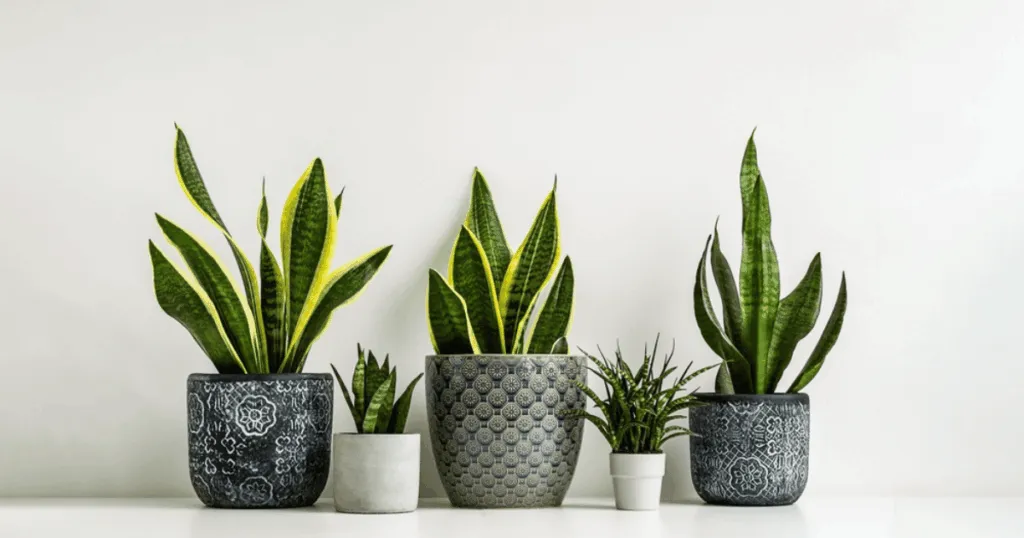
Best Indoor Office Plants That Survive Real Work Weeks
The best indoor office plants share a few habits: they tolerate uneven watering, they do not drop leaves when the heating switches on, and they stay attractive without constant grooming. Offices are strange environments for greenery. Light is dim and flat, air is dry, and nobody is around at weekends to check the soil.
Plants that evolved in the shaded understory of tropical forests or in dry, rocky regions are the natural winners. They store water, cope with limited light, and shrug off the temperature swings between a Monday morning and a Friday evening.
- Snake plant for near-zero maintenance
- ZZ plant for dark corners and irregular watering
- Pothos for shelves, filing cabinets and hanging baskets
- Peace lily for a bold, flowering focal point
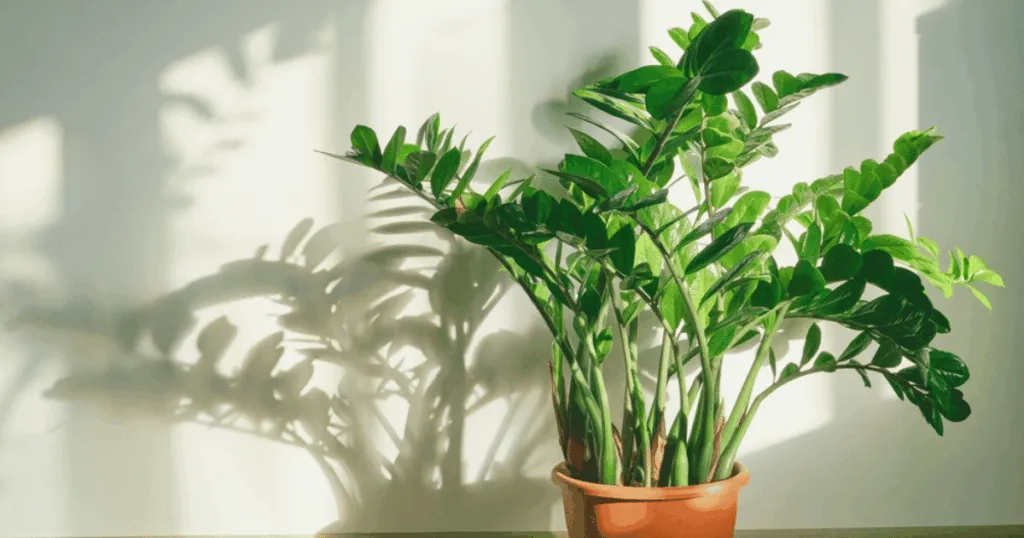
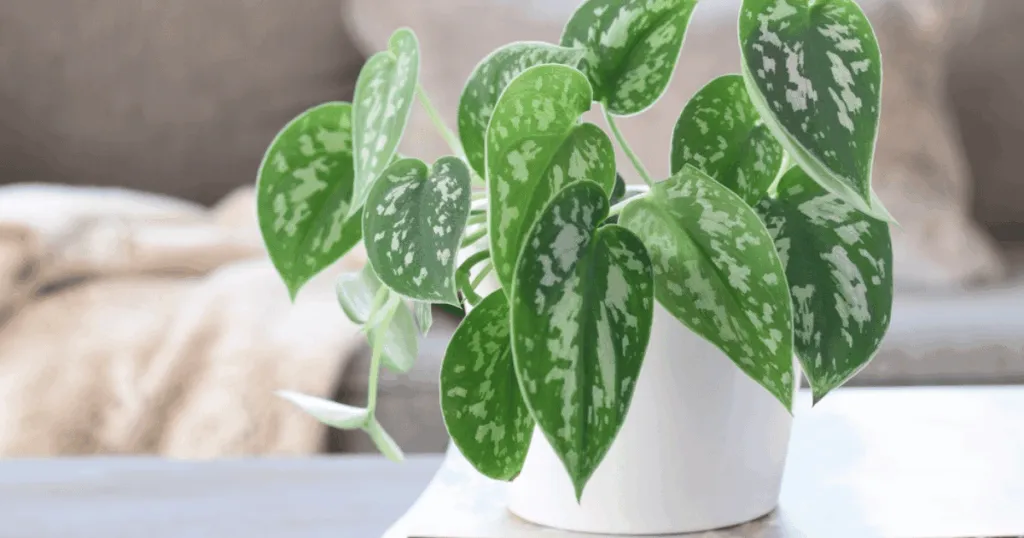
Best Low-Light Office Plants for Dim Corners and Interior Rooms
Many workplaces have rooms with no direct sun at all. That does not mean you have to settle for bare surfaces. The best low-light office plants can grow slowly but steadily on the glow of ceiling lights and the indirect brightness bouncing off a far window.
ZZ plants, pothos, cast iron plants and snake plants lead this category. Expect slower growth than you would see near a window, and water less often, because a plant in weak light uses moisture far more slowly. Overwatering is the main reason these plants fail in dim rooms.
A useful rule of thumb: if you can comfortably read a printed page in the spot without switching on a lamp, most low-light species will settle in just fine.
Snake Plants for Office Desks, Lobbies and Meeting Rooms
Few plants earn their place in a workspace as reliably as snake plants for office settings. Their stiff, sword-shaped leaves give a clean architectural look, they need water roughly every two to three weeks, and they cope with anything from bright windowsills to dim hallways.
Tall varieties work well beside reception desks or next to printers, where they add height without spreading sideways. Compact varieties fit on a desk or a narrow shelf. Both types are famously slow to complain, which makes them a safe choice for teams that share plant duty or travel often.
The only real way to harm a snake plant is kindness. Soggy soil leads to root rot, so let the pot dry out between drinks and use a container with drainage holes. Keep in mind that the leaves are mildly toxic if chewed, so place them out of reach of office pets.
Best Small Office Plants for Desks, Shelves and Shared Spaces
When desk space is tight, the best small office plants are the ones that add life without taking over your keyboard. Look for species that stay under about thirty centimeters, grow slowly, and sit happily in a modest pot.
Peperomia, small pothos cuttings in a jar, mini snake plants and compact ZZ varieties all fit the brief. Spider plants are a good extra choice because they are non-toxic to cats and dogs, which matters in pet-friendly workplaces.
Give small plants a saucer or tray so stray water never reaches your equipment, and rotate them a quarter turn each week so growth stays even.
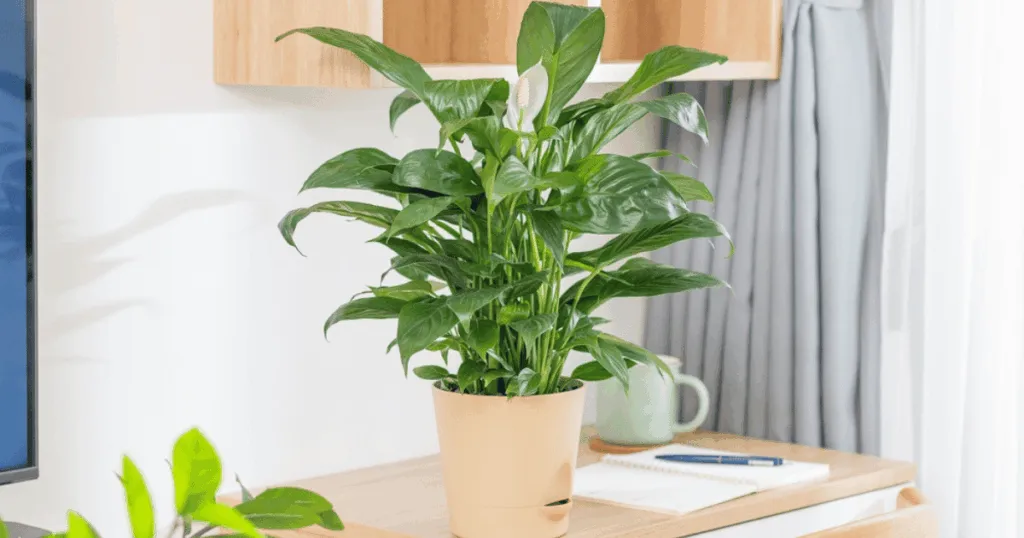
Quick Comparison of Popular Office Plants
Use this table to shortlist plants by light, watering rhythm and pet safety before you buy.
| Plant | Light it tolerates | Watering rhythm | Best spot | Pet safe? |
|---|---|---|---|---|
| Snake plant | Low to bright | Every 2 to 3 weeks | Floor, desk or lobby | No |
| ZZ plant | Low to medium | Every 2 to 4 weeks | Dark corners | No |
| Pothos | Low to bright, indirect | When the top soil is dry | Shelves and cabinets | No |
| Peace lily | Low to medium | Weekly, wilts to warn you | Reception or meeting room | No |
| Spider plant | Medium, indirect | Weekly | Desk or hanging basket | Yes |
| Peperomia | Medium, indirect | Every 1 to 2 weeks | Small desks | Yes |
Why Choose the Best Live Plants for Office Spaces
Artificial greenery never needs water, but it also never changes. The best live plants for office spaces bring seasonal growth, fresh leaves and a natural texture that people notice without being told to. Studies of workplaces with plants have linked them to improved mood and a stronger sense of comfort among staff.
Live plants also become a shared routine. A short weekly check, a rotating watering rota or a labeled schedule on the pot gives a team a small, pleasant ritual. Just be honest about how much attention your office can offer. If nobody will water, pick drought-tolerant species and forget the fussy ones.
One caution worth stating clearly: plants do add a touch of freshness, but they are not a replacement for good ventilation. Enjoy them for the calm and the look, and keep the windows or air system working as usual.
How to Pick the Right Plant Every Time
Three questions save most workplaces from buying the wrong plant. Answer them before you carry anything to the checkout.
How much light is there?
Stand in the spot at midday. Bright windows suit almost anything, while dim interior rooms call for snake plants, ZZ plants or pothos.
Who will water it?
If the answer is “whoever remembers,” choose drought-tolerant species and keep a simple reminder on the calendar.
Are pets or kids around?
Pick non-toxic plants such as spider plants and peperomia, or place the others high up and out of reach.
Office Plant Questions, Answered
What are the easiest plants for a beginner?
Snake plants and ZZ plants are the safest starting point. Both forgive missed waterings and adapt to average office light.
Can plants really grow without a window?
Only a few can, and they grow slowly. Under steady overhead lighting for eight or more hours a day, ZZ plants, snake plants and pothos usually hold their leaves. For a fully dark room, a small grow light is a wise addition.
How often should I water office plants?
Most tolerant species need water every two to three weeks. Always check that the top few centimeters of soil are dry first, and skip watering if the pot still feels damp.
What is the best plant for a small desk?
A peperomia or a mini snake plant is hard to beat. Both stay compact, need little attention and fit into a small pot without crowding your workspace.
Do office plants need fertilizer?
A light feed once a month in spring and summer is plenty. In autumn and winter, growth slows and most plants can go without.
Contact Information
- Business Name
- Office Plants Hub
- Website
- officeplantshub.com
- What We Cover
- Office plant guides, species profiles and simple care routines
- Best For
- Offices, coworking spaces, home workspaces and reception areas